← Library
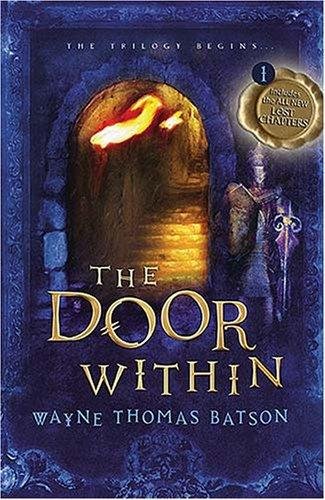
The Lord of the Rings by J. R. R. Tolkien — book cover
Red · Not recommended

The Lord of the Rings

by J. R. R. Tolkien

Red under our convictions: the heroes practice magic, or magic is presented as good. A deeply moral epic by a devout Christian. Yellow for wizards, magic, and large battles.

Frodo and his companions set out to destroy the One Ring before the Dark Lord reclaims it.

Format
Novel trilogy
Ages
Teens 13–17, Parents & Adults
Reading level
Lamp–Lighthouse · Estimated
Faith
Faith-friendly
Tags
Magic, Battle violence, Scary moments

Try this instead

The Wingfeather SagaAndrew Peterson
Yellow · Discernment

The Wingfeather Saga

Andrew Peterson

Funny and full of heart, with Christian themes woven in. Fantasy creatures and frightening chases.

See what’s inside
The Wilderking TrilogyJonathan Rogers
Yellow · Discernment

The Wilderking Trilogy

Jonathan Rogers

A Redeemed Reader starred review, one of their 'best of the best' picks. Fantasy loosely based on David's life, with battles.

See what’s inside

Content guide

Positive elements

Sacrifice, friendship, mercy, and resisting evil.

Spiritual content

Wizards, a powerful ring, and dark spirits. Many see Christian themes throughout.

Romance & sexual content

None. Aragorn and Arwen's love is chaste.

Violence & scary content

Large battles and frightening creatures.

Language

No profanity.

Crude humor & disrespect

None.

Other things to know

The movies are more intense than the books.

Talk about it

  • Why couldn't Frodo destroy the ring alone?
  • How does the story show mercy?

Teach with this book

Charlotte Mason-style ideas for homeschool parents and teachers. What is narration?

Teach with this book

Charlotte Mason-style ideas for homeschool parents and teachers. These questions fit any book of this kind. What is narration?

Narration

After each chapter, ask for a narration, oral or written. Older students can narrate a key scene in detail or write a short narrative essay.

Questions to think about
  1. Narrate the chapter: what happened, in order?
  2. Which character's choices did you admire? Which didn't you?
  3. Was there a moment when a character had to choose between right and easy?
  4. How has the main character changed so far?
  5. What does this story say about what is true, good, or beautiful?
  6. If you could ask the author one question, what would it be?
Character and integrity
  1. Who in this book showed integrity, doing what was right even when no one was watching or when it cost them something?
  2. Was a character tempted to lie, cheat, or take the easy way? What did they choose, and what were the consequences?
  3. Which character are you most like? Which one would you like to be more like, and why?
  4. Think of a time you faced a choice like the main character's. What did you do? What would you do now?
Point it to the Bible
  1. Is there a person or story in the Bible that reminds you of this book? How are they alike?
  2. Where do you see God at work in this story?
Assignment ideas
  • Oral narration after each chapter; ages 10 and up can write one narration a week.
  • Copywork: copy a beautiful or important sentence each week.
  • Dictation (ages 9 and up): study a short passage, then write it as it's read aloud.
  • Commonplace book: keep a notebook of lines worth remembering.
  • Character letter: write a letter to or from one of the characters.
  • Narrate from another view: tell one scene from a different character's point of view.

Parent reviews

Share a parent review

Loading…

Did we miss something?

The Family Bookshelf is free to use. It's funded by donations and affiliate links, which never cost you more and never change our ratings. As an Amazon Associate, we earn from qualifying purchases.

Get Involved