← Library
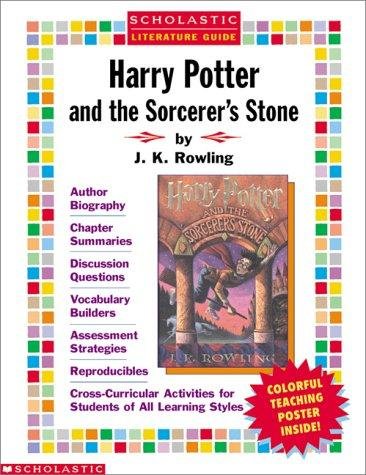
Harry Potter and the Sorcerer's Stone by J. K. Rowling — book cover
Red · Not recommended

Harry Potter and the Sorcerer's Stone

by J. K. Rowling

Spells, potions, and wizardry are the heart of the story and are presented as good. Parents ask about it constantly, so here's what's inside.

An orphan learns he's a wizard and starts school at Hogwarts.

Format
Chapter book series
Ages
Middle Grade 9–12, Teens 13–17
Reading level
Lantern–Beacon · Estimated
Faith
Secular
Tags
Magic, Witchcraft as a central theme, Scary moments

Try this instead

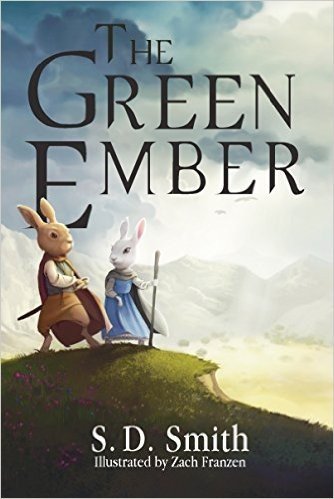
The Wingfeather SagaAndrew Peterson
Yellow · Discernment

The Wingfeather Saga

Andrew Peterson

Funny and full of heart, with Christian themes woven in. Fantasy creatures and frightening chases.

See what’s inside
Content guide

Positive elements

Friendship, loyalty, and self-sacrifice.

Spiritual content

Witchcraft and wizardry are taught at school and shown as good. The villain drinks unicorn blood to stay alive.

Romance & sexual content

None in book 1. Later books include teen dating.

Violence & scary content

Harry's parents were murdered. A troll attack and a final confrontation.

Language

Mild British expressions. Count needs verification.

Crude humor & disrespect

Some gross-out humor.

Other things to know

The main characters often break rules and lie. Clean alternatives: The Wingfeather Saga (yellow) or The Kingdom Series.

Talk about it

  • What does the Bible say about witchcraft?
  • What makes a story about good and evil honor God?

Teach with this book

Charlotte Mason-style ideas for homeschool parents and teachers. What is narration?

Teach with this book

Charlotte Mason-style ideas for homeschool parents and teachers. These questions fit any book of this kind. What is narration?

Narration

After each chapter, ask for a narration, oral or written. Older students can narrate a key scene in detail or write a short narrative essay.

Questions to think about
  1. Narrate the chapter: what happened, in order?
  2. Which character's choices did you admire? Which didn't you?
  3. Was there a moment when a character had to choose between right and easy?
  4. How has the main character changed so far?
  5. What does this story say about what is true, good, or beautiful?
  6. If you could ask the author one question, what would it be?
Character and integrity
  1. Who in this book showed integrity, doing what was right even when no one was watching or when it cost them something?
  2. Was a character tempted to lie, cheat, or take the easy way? What did they choose, and what were the consequences?
  3. Which character are you most like? Which one would you like to be more like, and why?
  4. Think of a time you faced a choice like the main character's. What did you do? What would you do now?
Point it to the Bible
  1. Is there a person or story in the Bible that reminds you of this book? How are they alike?
  2. Where did you see something true or good that points back to God, even though the book doesn't mention Him?
  3. Did anything in this book disagree with what the Bible teaches? How would you answer it from Scripture?
Assignment ideas
  • Oral narration after each chapter; ages 10 and up can write one narration a week.
  • Copywork: copy a beautiful or important sentence each week.
  • Dictation (ages 9 and up): study a short passage, then write it as it's read aloud.
  • Commonplace book: keep a notebook of lines worth remembering.
  • Character letter: write a letter to or from one of the characters.
  • Narrate from another view: tell one scene from a different character's point of view.

Parent reviews

Share a parent review

Loading…

Did we miss something?

The Family Bookshelf is free to use. It's funded by donations and affiliate links, which never cost you more and never change our ratings. As an Amazon Associate, we earn from qualifying purchases.

Get Involved